HIIT Workouts for Fat Loss: How It Works
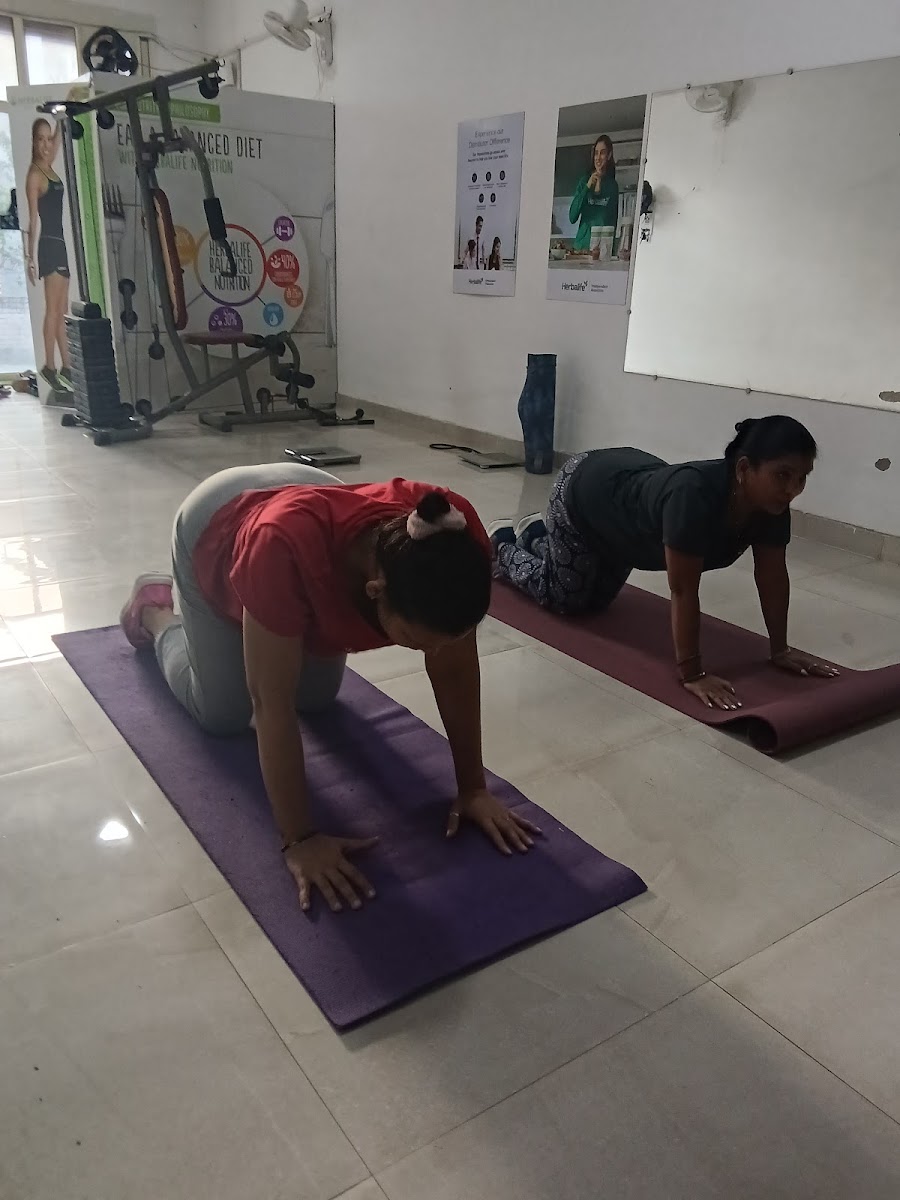
HIIT (High-Intensity Interval Training) alternates short bursts of near-maximum effort with brief recovery periods. A typical structure is 30-40 seconds of hard effort followed by 15-30 seconds of rest, repeated for 15-25 minutes total — short by design, which is part of why it works for people who can't commit to hour-long sessions.
What "hard" actually means
"Hard effort" isn't a feeling, it's a specific intensity. CDC describes vigorous-intensity activity as a 7 or 8 on a 0-10 perceived-exertion scale, where 0 is sitting still and 10 is maximal effort — and the simplest way to check it in the moment is the talk test: at vigorous intensity, you can't say more than a few words without pausing for breath. If you can hold a conversation through the "hard" interval, it isn't hard enough to count as HIIT; if you can't speak at all and feel dizzy or sick, it's too hard.
The real case for HIIT — and the myth to drop
You'll often hear that HIIT's edge is "afterburn": that your metabolism stays elevated for hours after the session, burning extra calories while you rest. This is a real phenomenon — it's called excess post-exercise oxygen consumption (EPOC) — but its size is smaller than the popular version of the claim. A widely-cited 2006 review in the Journal of Sports Science found EPOC accounts for only about 6-15% of the total oxygen (and so energy) cost of the exercise itself, and that a truly prolonged afterburn (lasting several hours) only follows an exercise stimulus most non-athletes won't tolerate or sustain. The authors' own conclusion: "the earlier research optimism regarding an important role for the EPOC in weight loss is generally unfounded."
So what does the actual research support? A 2017 systematic review and meta-analysis in Obesity Reviews compared HIIT directly against continuous moderate-intensity training (steady cardio) in overweight and obese adults. Both approaches produced similar, modest improvements in body fat and waist circumference — there was no significant difference between them for any body-composition measure. The real difference was time: the HIIT groups achieved the same results in roughly 40% less total training time. That's the honest, evidence-backed case for HIIT — not that it melts more fat, but that it gets a comparable result faster, which matters if time is your limiting factor.
Why it's part of SoVik's programme structure
This is why HIIT sits at the centre of SoVik's Basic, Intermediate and Advanced workout tiers — it scales. A beginner's "hard effort" interval looks completely different from an advanced member's, but the underlying structure is the same, and the intensity is adjusted to what a person can actually sustain and recover from. The single biggest predictor of results isn't which workout is theoretically "best" — it's whether you can keep doing it. HIIT at the wrong intensity for your level leads to burnout or injury; matched correctly, it's a time-efficient tool for fat loss, paired with structured nutrition rather than relied on alone.
Recovery and who should be careful
HIIT is intense by design, which means recovery matters — this is exactly why it's paired with yoga and rest days in a full programme rather than done daily. It's also worth a plain safety note: exercise-screening guidelines from the American College of Sports Medicine recommend that anyone with known cardiovascular, metabolic or renal disease, or with symptoms suggestive of one, get medical clearance before starting vigorous exercise like HIIT — the same caution doesn't apply to light or moderate activity for most healthy adults. If that's you, a conversation with your doctor first is the sensible step, not a reason to skip exercise altogether.

FAQ
Good to know
How many HIIT sessions per week are ideal for weight loss?
Most people see good results with 2-4 HIIT sessions a week, balanced with recovery days and other workout types — daily HIIT without recovery tends to backfire through injury or burnout. WHO's general activity guidelines suggest 75-150 minutes of vigorous-intensity activity a week (which HIIT counts toward) as a baseline for adults.
Is HIIT better than regular cardio for fat loss?
For body-composition results specifically, research comparing the two head-to-head hasn't found a significant difference — a 2017 meta-analysis found HIIT and steady moderate-intensity cardio produced similar fat-loss results, with HIIT's real advantage being that it took about 40% less training time. Which one is 'better' for you personally comes down to fitness level, joint health and what you'll actually stick with.
Can beginners do HIIT?
Yes — SoVik structures HIIT at Basic, Intermediate and Advanced intensities specifically so beginners aren't thrown into advanced-level intervals. If you have a known heart, metabolic or kidney condition, check with your doctor before starting vigorous exercise.
Keep reading