Yoga for Weight Loss & Fitness: What It Actually Does
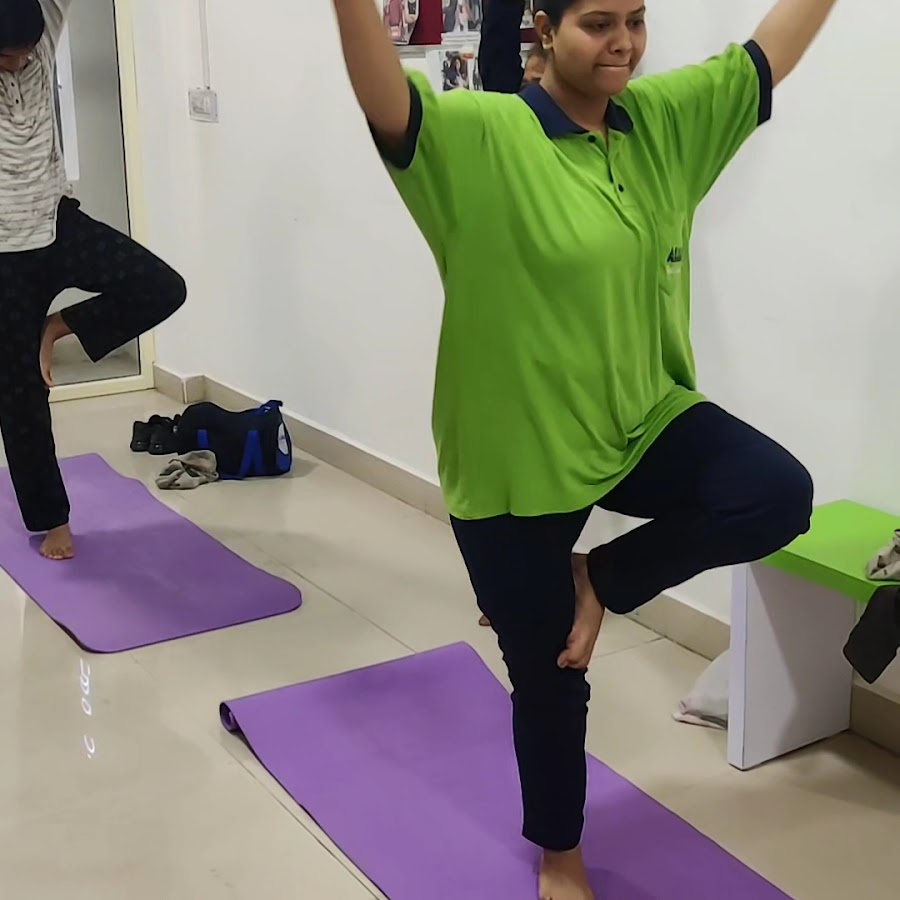
Yoga has a reputation problem in fitness circles — people assume it's "not a real workout" because it doesn't leave you gasping the way HIIT does. That's true in one narrow sense: general yoga burns fewer calories per minute than high-intensity training. But that framing misses what yoga is actually good for, and why it's part of SoVik's workout mix rather than an afterthought.
By the standard measures researchers use to classify exercise, general yoga sits at roughly 2-3 METs, compared with 7+ for HIIT-style intervals — a real intensity gap. That's exactly why it plays a different role in a programme than HIIT does, rather than competing with it.
What the research actually shows on weight
It isn't nothing, either. NIH's National Center for Complementary and Integrative Health summarises a 2022 review of 22 studies (1,178 participants with overweight or obesity) that found yoga interventions led to reductions in body weight, BMI, body fat and waist size. That's a real, if modest, direct effect — on top of whatever it contributes indirectly through recovery and stress (below).
Safety: what's actually documented
We won't repeat the claim that yoga has "lower injury rates" than other training — we couldn't find a study that actually compares yoga's injury rate against other specific workout types. Here's what is documented instead. NCCIH describes yoga as generally safe when performed properly under a qualified instructor. The most common injuries are minor — sprains and strains, most often in the knee or lower leg — and serious injuries are rare; the injury risk associated with yoga is described as lower than for higher-impact physical activities generally, though not compared against any one specific workout.
Older adults and people newer to yoga are the exception worth flagging: the rate of yoga-related injuries treated in emergency departments is higher in people aged 65 and over than in younger adults, and learning yoga without supervision is associated with increased risk. Practical takeaway: get proper instruction, especially if you're older or new to it, and skip extreme poses (headstands, shoulder stands, forceful breathing) until you're experienced.
The stress-and-cortisol angle
There's also a stress and consistency angle that doesn't get enough credit. Cortisol (the stress hormone) has a real, if more nuanced than popularly stated, link to fat storage around the midsection. A study published in Psychosomatic Medicine found that premenopausal women with a higher waist-to-hip ratio secreted significantly more cortisol in response to repeated laboratory stress tests than women with a lower ratio — and didn't adjust to the repeated stress the way the comparison group did. That's a genuine, citable finding, but it's correlational and specific to the group studied, not proof that everyday stress will give any given person belly fat.
Separately, NCCIH also cites a 2020 review of 12 studies (672 participants) finding yoga produced measurable reductions in perceived stress. Put together: a workout style that lowers stress rather than adding to it is a legitimate part of a sustainable routine, especially layered with the structured HIIT and gym sessions in SoVik's Basic, Intermediate and Advanced workout formats — not because it's a shortcut to fat loss on its own, but because chronic stress and poor recovery work against every other part of a programme.
We're not going to claim yoga alone will get you a dramatic transformation — the research doesn't support that, and anyone who tells you otherwise is selling something. What it does well, and what the evidence backs, is measurable (if modest) weight-related benefit on its own, real stress reduction, and making the rest of your programme easier to sustain — which over 3-6 months matters more than any single session.

FAQ
Good to know
Does yoga help lose belly fat?
There's real evidence for a modest direct effect — a 2022 review of 22 studies in people with overweight or obesity found reductions in body weight, BMI, body fat and waist size from yoga. It also supports fat loss indirectly by lowering stress and improving recovery, which helps you stay consistent with nutrition and higher-intensity training.
Is yoga safer than other workouts?
Yoga is generally considered safe when done properly under a qualified instructor — most injuries are minor sprains or strains, and serious injury is rare. We haven't found research directly comparing yoga's injury rate to other specific workouts, so we don't claim it's provably 'lower risk' than any one alternative. Older adults and beginners should be more cautious and get proper instruction.
Is yoga enough on its own for fitness?
For general mobility and stress management, yes. For weight loss or muscle gain specifically, the evidence shows a real but modest direct effect, so it works best combined with structured workouts like HIIT or gym exercises.
Do I need experience to start?
No — SoVik's yoga sessions are offered at Basic, Intermediate and Advanced intensities, so beginners start at a comfortable level with proper instruction rather than being put into advanced poses.
Keep reading