How to Lose Belly Fat: What Actually Works
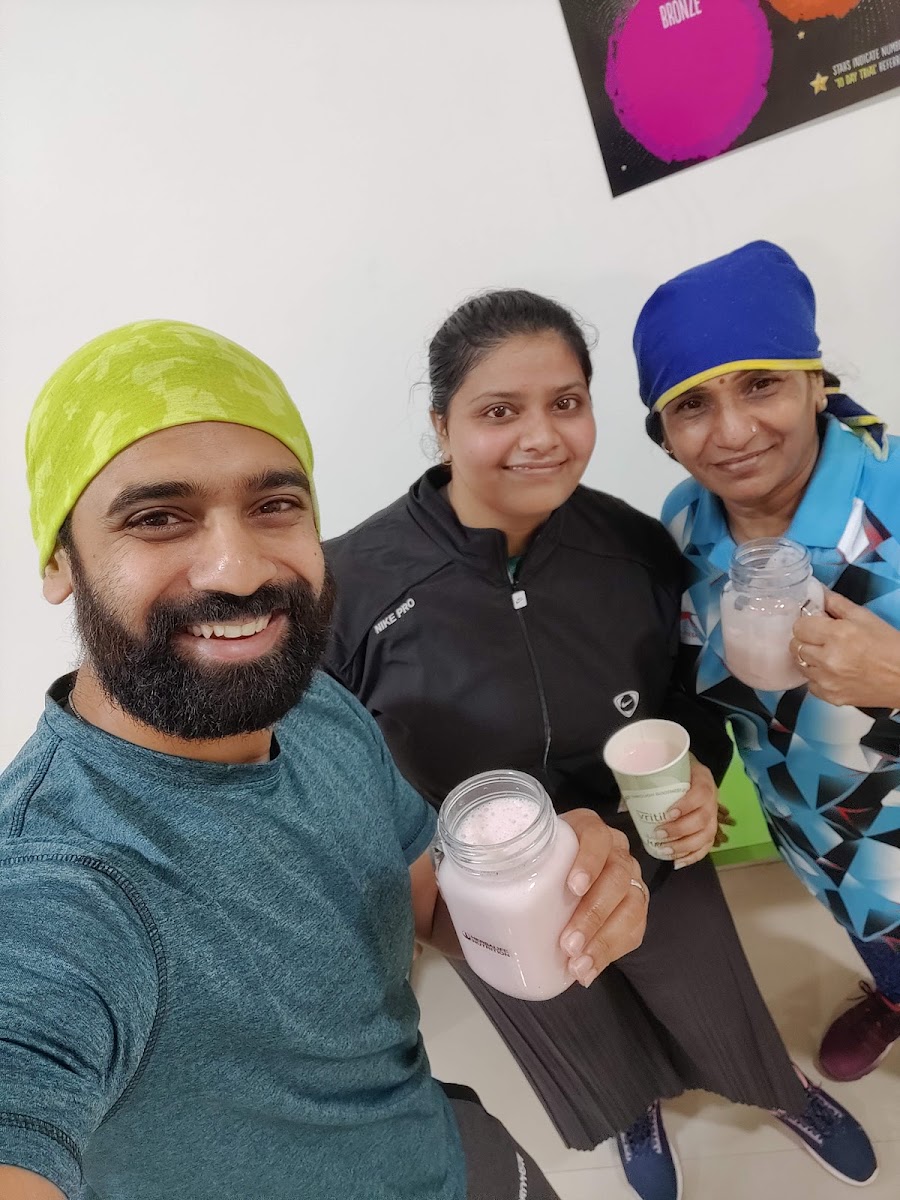
Belly fat responds to a sustained calorie deficit and the right kind of training — not sit-ups, and not spot reduction, which doesn't work. Sit-ups tone the muscle underneath fat; they don't burn the fat covering it, because fat loss happens body-wide rather than at the exact spot you're working.
This isn't just a rule of thumb. A controlled study had one group perform seven abdominal exercises, five days a week, for six weeks, and measured no significant reduction in abdominal fat, body weight, or waist and skinfold measurements compared with a group that did nothing — even though the exercise group did get noticeably better at the exercises themselves. Fat loss happens body-wide, driven mainly by a sustained calorie deficit and consistent habits over weeks and months, not days.
Why nutrition leads
This is exactly why SoVik's approach leads with nutrition. Our coaching follows a guiding ratio: roughly 80% of results come from what you eat, 20% from how you train — this is our own coaching principle rather than a number from a study, but it reflects where we spend the most time with you. Instead of prescribing extreme diets, we help you build a realistic eating pattern with Herbalife Nutrition as our nutrition partner, so you're not white-knuckling hunger to see progress.
What actually moves belly fat specifically
Not every workout affects belly fat the same way. A 2013 systematic review and meta-analysis pooling 15 studies (852 participants) found that aerobic training at a moderate-to-high intensity has the most potential to meaningfully reduce visceral fat — the fat around the organs that matters most for health — even without a calorie-restricted diet alongside it. This is part of why SoVik's workout mix includes HIIT (High-Intensity Interval Training) and structured gym exercises rather than only low-intensity movement.
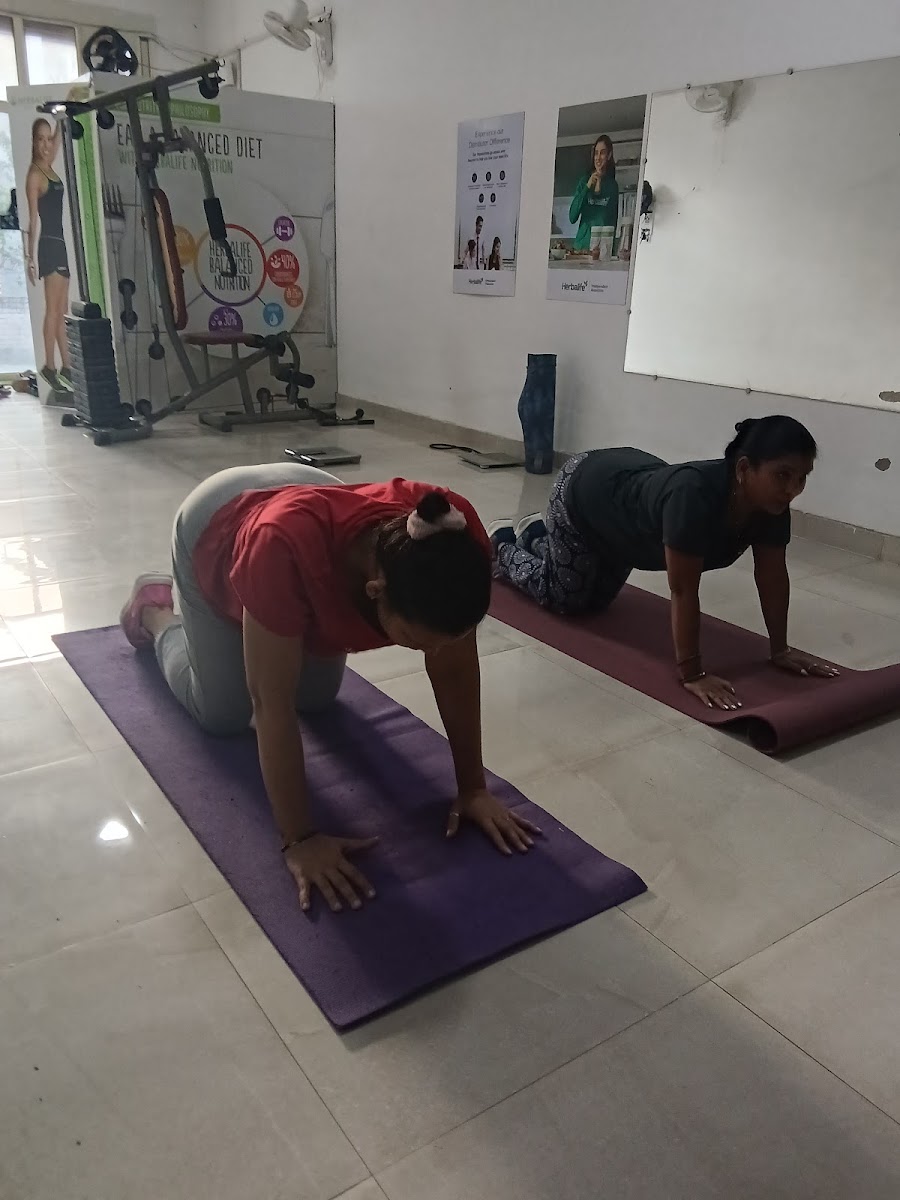
You may have heard that HIIT "keeps your metabolism elevated for hours" after a session — that's an overstated version of a real but much smaller effect (see our HIIT guide for the actual research). The honest comparison: a 2017 meta-analysis found HIIT and steady moderate-intensity cardio produce similar fat-loss results overall, with HIIT's real advantage being that it gets there in significantly less training time. We layer HIIT with yoga and dance-based workouts (Zumba-style sessions) for people who find pure HIIT too intense to sustain — consistency beats a theoretically optimal workout you quit after two weeks.
A realistic timeline
CDC's own guidance is that people who lose weight at a gradual, steady pace — about 1 to 2 pounds (roughly 0.5-0.9kg) a week — are more likely to keep it off than people who lose weight faster. Faster loss on the scale is usually water weight or muscle, not fat. Real results vary significantly between individuals depending on starting point, consistency, and metabolic factors — that's true of any programme, and we'd rather tell you that upfront than promise a number we can't guarantee.
If you want a starting point, our free BMR & Weight Loss Calculator gives you a realistic daily calorie target based on your own numbers.

FAQ
Good to know
Can I lose belly fat without exercising?
Nutrition changes alone can produce fat loss, including around the belly, but adding structured workouts — particularly moderate-to-vigorous aerobic training, which research links most consistently to visceral fat reduction — speeds up the process and helps preserve muscle while you lose fat.
Do ab exercises like crunches or sit-ups burn belly fat?
No — this is one of the better-tested myths in fitness. A controlled study had participants do ab exercises five days a week for six weeks and found no significant drop in abdominal fat or waist size versus doing nothing, even though ab strength and endurance improved. Ab exercises build the muscle; losing the fat covering it takes a calorie deficit.
How long does it take to see results?
Most people see visible change within 4-8 weeks of consistent nutrition and training, though this varies a lot by individual — results are not typical and vary for each individual.
Does SoVik guarantee weight loss results?
No — individual results vary based on consistency, starting point and other factors. We focus on building sustainable habits rather than promising specific outcomes.
Keep reading